

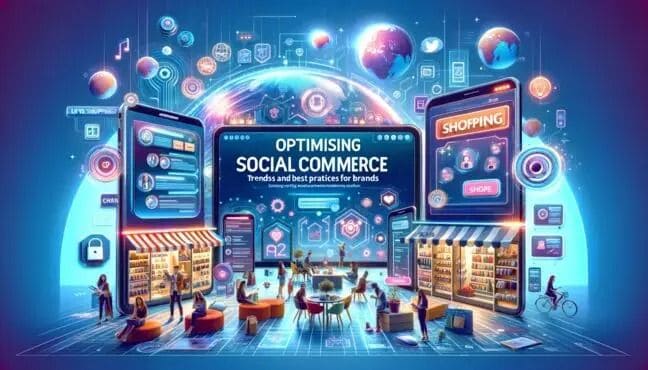
Social commerce is rapidly transforming the way people shop online. It refers to the process of buying and selling products directly through social media platforms. Instead of visiting a separate e-commerce website, users can discover, review, and purchase products within the same social media app. This trend has become one of the most powerful developments in digital marketing services as businesses aim to reach customers where they spend most of their time.
Platforms such as Instagram, TikTok, Facebook, and Pinterest have introduced shopping features that allow brands to showcase their products directly to users. These platforms provide tools like product tags, in-app checkout, and shoppable posts. For example, a user scrolling through Instagram can see a product in a post, tap on it to view details, and complete the purchase without leaving the app. This seamless experience makes shopping faster and more convenient.
One of the main reasons social commerce is growing quickly is the influence of content creators and influencers. When influencers recommend products through videos, reels, or live streams, followers are more likely to trust their suggestions. This creates a powerful combination of entertainment and marketing. Consumers no longer rely only on advertisements; instead, they look at reviews, tutorials, and real-life experiences shared on social media before making a purchase.
Another key factor driving social commerce is the popularity of short-form video content. Platforms like TikTok and Instagram Reels allow brands to demonstrate products creatively in a few seconds. A short video showing how a product works or how it looks in real life can significantly increase customer interest. Many brands also conduct live shopping sessions where they showcase products and interact with viewers in real time, answering questions and offering special discounts.
Social commerce also helps businesses build stronger relationships with their customers. Through comments, likes, and direct messages, brands can communicate directly with their audience. This interaction creates trust and loyalty, which are essential for long-term business success. Small businesses and startups especially benefit from social commerce because it allows them to reach large audiences without investing heavily in traditional advertising.
Businesses can further strengthen their social commerce strategy through SMM, SEO, Meta Ads, Google Ads PPC, video marketing, and professional website development. Combining social media campaigns with an optimized e-commerce website can help businesses create a complete customer journey, from product discovery to purchase.
However, brands must maintain authenticity and transparency while promoting products on social media. Consumers today are more aware and prefer honest recommendations rather than overly promotional content. Providing clear product information, genuine reviews, and responsive customer service can help brands succeed in social commerce.
In conclusion, social commerce is reshaping the digital marketing landscape by combining social media engagement with online shopping. As social media usage continues to grow, social commerce will play an even bigger role in influencing how consumers discover and purchase products in the future.


