
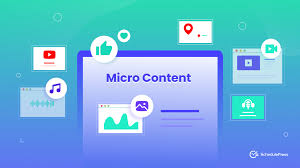
In 2026, the most valuable thing online isn’t information—it’s attention. With endless content competing for time, you only have a few seconds to capture interest. This is where micro-content becomes powerful.
Micro-content isn’t just short content—it’s smart content. It delivers clear value quickly. It’s the headline that stops scrolling, the caption that connects instantly, and the message that drives action.
What is Micro-Content?
Micro-content is any digital content that can be consumed in under 30 seconds. While long-form content builds depth, micro-content creates the first impression.
Common formats include:
- Social media captions
- Email Marketing subject lines
- Push notifications and SMS
- Infographic snippets
- Product descriptions
Why Short Content Works
People process short text and visuals much faster than long paragraphs. Micro-content respects limited attention spans and fits perfectly into fast-scrolling digital habits.
In many cases, a powerful 20-word message can create more engagement than a long article because it is quick, clear, and easy to share.
Rules to Create Effective Micro-Content
1. Focus on One Idea
Keep it simple. Each piece should deliver one clear message. Trying to include too much reduces impact.
2. Start Strong
Grab attention in the first few words. Use clear benefits, questions, or powerful statements to hook the reader instantly.
3. Make It Easy to Read
Use spacing, short lines, or bullet points. Content should be easy to scan at a glance.
4. Make It Meaningful
Every piece should answer one question: Why does this matter?
It should either inform, entertain, or inspire.
Micro-content is often the first interaction people have with your brand. It creates curiosity and opens the door for deeper engagement.
When done right, even a few words can leave a strong impression—making your message stand out in a crowded digital world.
Digital Marketing Services can help businesses turn micro-content into a stronger online growth strategy through WhatsApp Marketing, Mobile App Development, SEO, SMM, E-Commerce Solutions, Website Development, Graphic Design, UI/UX Design, Content Marketing, Google Ads & PPC, and Video Marketing.


