
Artificial Intelligence (AI) has rapidly moved from being a concept of the future to a powerful force shaping today’s world. Across industries—from healthcare and finance to retail and education—AI is changing how tasks are performed and how businesses function. One of the most pressing questions surrounding this shift is its impact on jobs. Is AI eliminating employment opportunities, or is it redefining them?
On one side, AI is significantly reducing the need for human involvement in routine and repetitive tasks. Processes such as data entry, basic bookkeeping, manufacturing operations, and customer service interactions are increasingly handled by intelligent systems. These technologies enable companies to operate more efficiently, reduce operational costs, and maintain consistent performance without fatigue.
However, this progress also raises concerns. Workers in roles that rely heavily on predictable tasks are more vulnerable to displacement. Many individuals may struggle to transition into new roles due to a lack of relevant skills or training. This creates uncertainty in the workforce and highlights the growing gap between traditional job requirements and modern technological demands.
At the same time, AI is opening doors to entirely new career paths. The rise of roles like AI developers, data analysts, cybersecurity experts, and automation specialists reflects the changing nature of employment. Beyond technical fields, AI is also enhancing jobs in areas such as digital marketing, healthcare, and education by providing tools that improve productivity and decision-making.
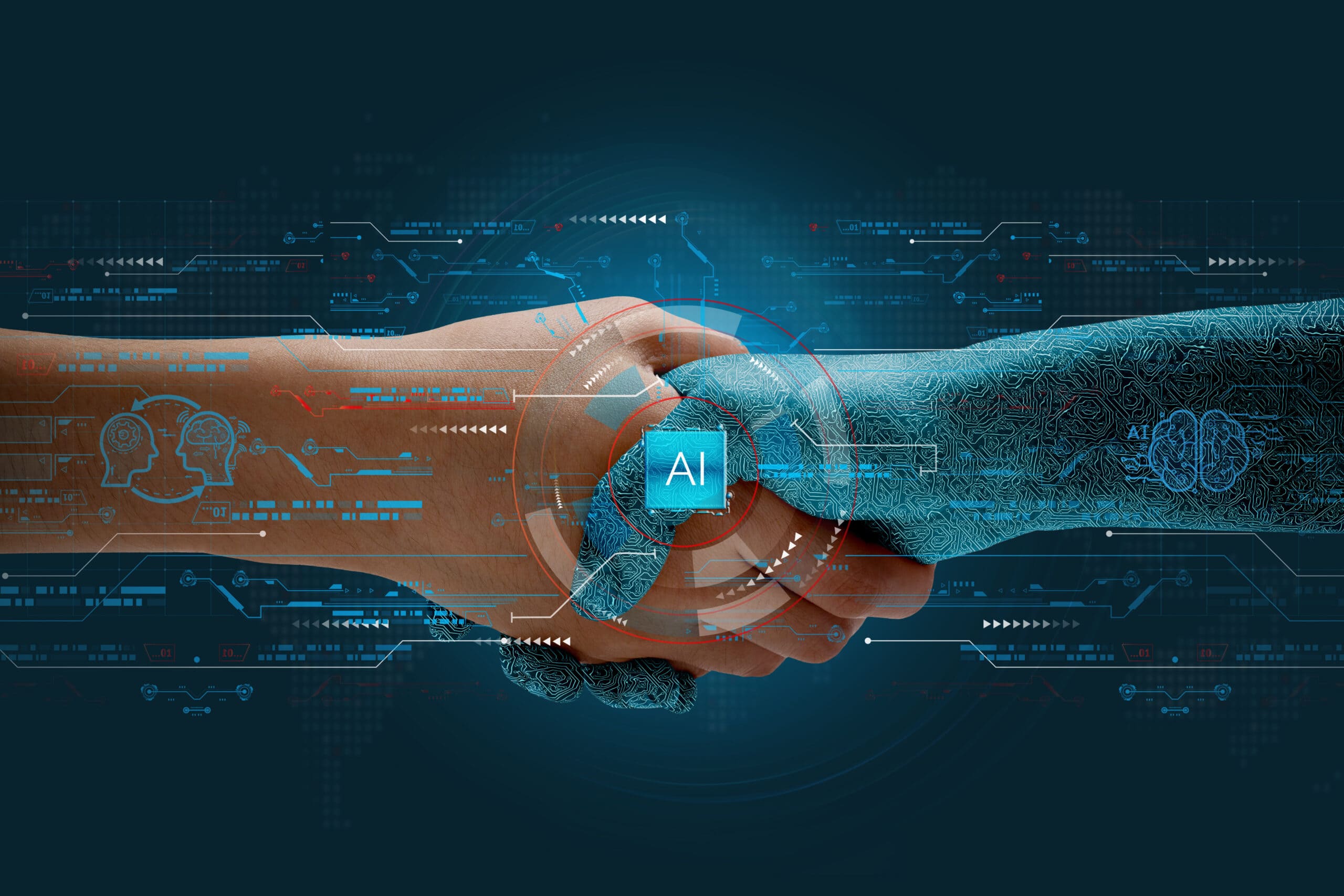
Importantly, AI does not always replace human workers—it often works alongside them. While machines excel at processing large volumes of data quickly, humans bring creativity, empathy, and critical thinking to the table. For instance, in healthcare, AI can assist in diagnosing conditions, but medical professionals are essential for interpreting results and providing patient care.
The real impact of AI depends largely on how individuals and societies adapt to these changes. Continuous learning and skill development have become essential in today’s job market. By gaining knowledge in digital tools, analytical thinking, and problem-solving, workers can stay competitive and relevant. Additionally, governments and organizations must support this transition through education, training programs, and inclusive policies.
AI also has the potential to improve the overall quality of work. By taking over repetitive tasks, it allows employees to focus on more engaging and meaningful responsibilities. This shift can foster innovation, creativity, and greater job satisfaction.
In conclusion, AI is neither purely a threat nor entirely an opportunity—it is a transformative force. While it may disrupt certain traditional roles, it also creates new possibilities and enhances existing ones. The future of work will depend on our ability to adapt, learn, and embrace change. When managed effectively, AI can become a powerful tool for progress rather than a source of fear.