
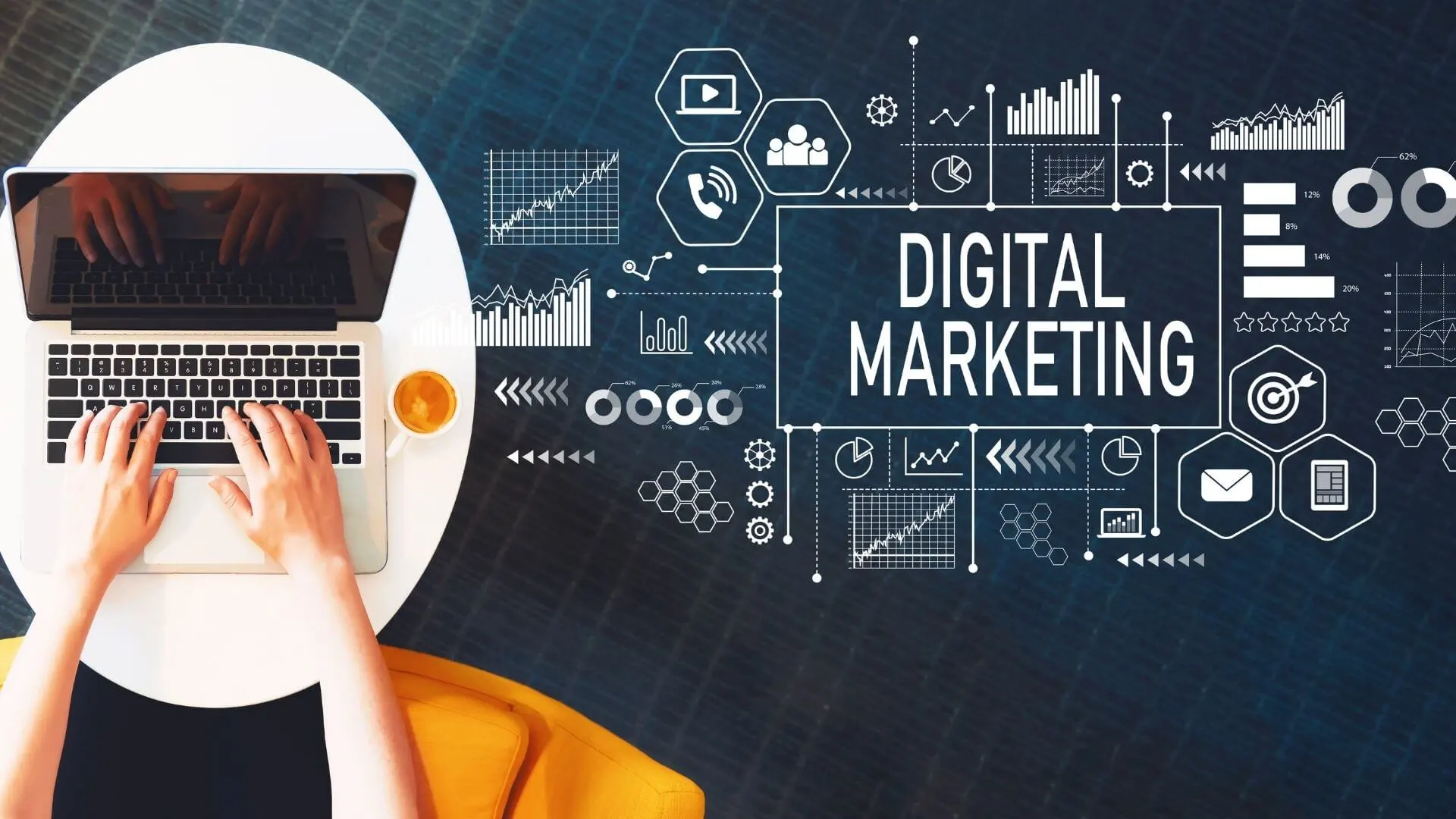
Digital marketing is evolving faster than ever, and 2026 is all about adapting to smarter technologies and changing user behavior. With the rise of AI and shifting search patterns, businesses must stay ahead to remain visible and competitive. Here are the key digital marketing trends you simply can’t ignore this year.
1. AI-Powered Search (GEO) is Taking Over
Traditional SEO is no longer enough. Platforms like ChatGPT and Google Gemini are changing how users find information. Instead of browsing multiple links, users now expect instant answers. This has given rise to Generative Engine Optimization (GEO), where content is optimized to be selected directly by AI tools. Clear, structured, and conversational content is key to winning here.
2. Zero-Click Searches are Growing
More users are getting answers directly on search pages without clicking any links. Google now displays featured snippets, AI overviews, and knowledge panels that provide instant information. To stay relevant, marketers must create content that delivers value immediately, even if users don’t visit the website.
3. Voice Search & Conversational SEO
With the increasing use of voice assistants, people are searching in a more natural, conversational way. Queries are longer and often framed as questions. Optimizing for voice search means focusing on long-tail keywords, simple language, and question-based content that matches how people actually speak.
4. Short-Form Video Continues to Dominate
Short videos on platforms like Instagram Reels and YouTube Shorts are driving massive engagement. These formats are quick, engaging, and highly shareable, making them a powerful tool for SMM (Social Media Marketing), brand visibility, and audience growth.
5. Content Quality & E-E-A-T Matter More
Search engines are prioritizing content that demonstrates Experience, Expertise, Authority, and Trust (E-E-A-T). Generic or AI-generated content without value will struggle to rank. Brands must focus on originality, real insights, and credibility to stand out.
6. Personalization is the New Standard
Users expect content tailored to their needs and preferences. From personalized email marketing to targeted ads, delivering the right message at the right time is essential for improving engagement and conversions.
7. Data Privacy & First-Party Data
With increasing privacy regulations, businesses are shifting toward collecting first-party data. Building trust with users and being transparent about data usage is becoming a critical part of digital marketing strategies.
Digital marketing in 2026 is driven by AI, user intent, and personalized experiences. Businesses that embrace trends like GEO, SEO, voice search, and high-quality content will gain a strong competitive edge. The future belongs to those who adapt quickly and create meaningful, user-focused experiences.


