
The modern world is producing data faster than humans can even imagine.
Every search, click, purchase, message, video view, website interaction, and digital transaction creates information continuously. Behind almost every technology people use daily, there are massive streams of data being collected, analyzed, and interpreted silently in the background.
But raw data alone has no real value.
The real power comes from understanding what that data means.
This is where data science has become one of the most influential technologies shaping the future of business, artificial intelligence, healthcare, finance, cybersecurity, and digital systems in 2026.
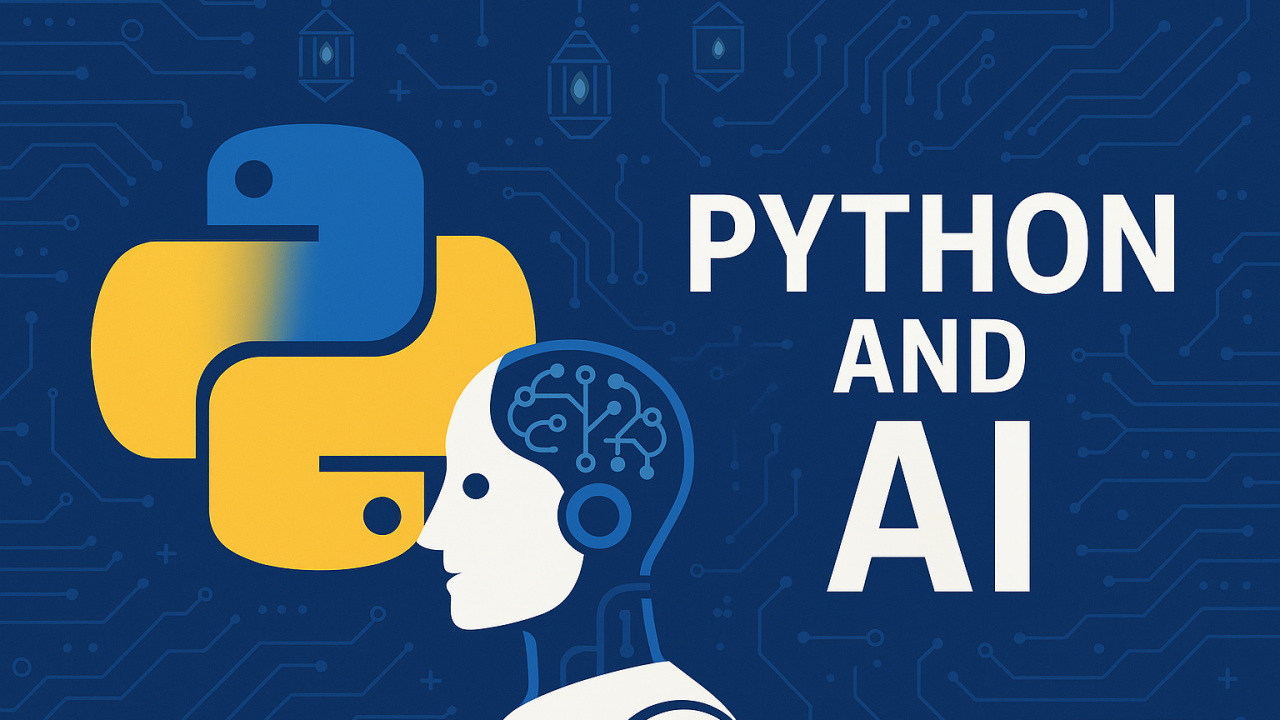
And quietly standing behind much of this revolution is one programming language:
Python.
Data Science Is Becoming the Brain of Modern Technology
Earlier technology systems mainly followed fixed instructions.
Software performed predefined tasks, websites displayed information, and systems worked through predictable programming logic. But modern technology now operates differently because systems increasingly learn from patterns instead of only following static rules.
Data science helps machines:
- analyze information
- identify hidden patterns
- predict outcomes
- automate decisions
- understand behavior
- optimize systems intelligently
This transformation is changing how businesses and technologies operate globally.
Modern companies now depend heavily on data to understand:
- customer behavior
- market trends
- business performance
- risk prediction
- user engagement
- future opportunities
Data itself is becoming one of the most valuable resources in the digital economy.
Python Became the Language Behind Modern AI Growth
One reason Python became so dominant in data science is simplicity.
Earlier programming languages often required highly complex structures and technical overhead for data analysis tasks. Python changed this completely by making programming more readable, flexible, and efficient for handling massive amounts of information.
This allowed developers, researchers, and businesses to build:
- AI systems
- machine learning models
- automation tools
- predictive algorithms
- analytics platforms
much faster than before.
Over time, Python evolved from a general programming language into one of the strongest foundations of modern artificial intelligence and data science.
Today, many of the world’s largest AI systems rely heavily on Python-based technologies behind the scenes.
Data Science Is Quietly Influencing Everyday Life
Most people interact with data science constantly without realizing it.
When Netflix recommends movies, when Instagram changes feed suggestions, when Google predicts searches, or when ecommerce websites recommend products, data science is operating silently in the background.
Modern algorithms study:
- browsing behavior
- interaction patterns
- engagement history
- preferences
- search habits
to create highly personalized digital experiences.
This ability to understand patterns is what makes modern technology increasingly intelligent and adaptive.
Data science is no longer limited to laboratories or research companies.
It has become deeply integrated into daily digital life.
Python Makes Complex Data Feel Understandable
One of Python’s biggest strengths is how efficiently it handles complex information.
Large datasets that would normally feel impossible to process manually can now be analyzed, visualized, and interpreted using Python-powered systems.
This allows businesses to transform raw numbers into:
- insights
- predictions
- behavioral patterns
- automation systems
- strategic decisions
Python also accelerated the growth of machine learning because developers could experiment with AI models more easily compared to older programming environments.
That accessibility helped expand AI development worldwide much faster.
Artificial Intelligence Depends Heavily on Data Science
Modern artificial intelligence is deeply connected with data science.
AI systems become smarter by learning from large amounts of information. The better the data quality, the better the AI performance becomes.
This is why businesses are investing heavily in:
- data analysis
- predictive modeling
- machine learning
- behavioral analytics
- automation systems
because intelligent systems now influence:
- marketing
- healthcare
- finance
- cybersecurity
- ecommerce
- logistics
- communication platforms
Data science is no longer only a technical field.
It is becoming one of the main engines driving modern digital transformation.
Businesses Are Becoming Data-Driven Faster Than Ever
Earlier business decisions often depended heavily on intuition and manual analysis.
Today, businesses increasingly depend on real-time data insights.
Companies now use data science to understand:
- customer behavior
- advertising performance
- operational efficiency
- sales forecasting
- audience engagement
- market trends
This helps businesses reduce uncertainty and make more strategic decisions.
Organizations using predictive analytics and AI-powered systems are gaining major competitive advantages because they can react faster to changing digital environments.
The Future of Technology Will Be Built on Intelligent Data
The future internet, AI systems, and digital platforms will increasingly depend on intelligent data interpretation.
As technology becomes more advanced, systems will continue learning from:
- human behavior
- digital interactions
- communication patterns
- business activities
- real-world environments
This means data science will become even more important over the next decade.
Python’s role will likely continue expanding because of its flexibility in handling:
- automation
- machine learning
- analytics
- AI development
- intelligent systems
The modern technology world is no longer built only on software.
It is increasingly built on data understanding.
Data Science Is Quietly Shaping the Future of Human Decisions
One of the most fascinating parts of data science is that it does not only analyze technology.
It increasingly analyzes people.
Modern systems now study:
- behavior patterns
- preferences
- emotional engagement
- decision-making habits
- digital interaction trends
This allows platforms and businesses to predict outcomes more accurately than ever before.
The future of digital systems is becoming increasingly predictive, intelligent, and behavior-focused.
And behind much of this transformation, Python and data science continue operating quietly at the center of the modern technological revolution.