
Search Engine Optimization (SEO) is one of the most important digital marketing strategies used to improve a website’s visibility on search engines like Google. For beginners, SEO is mainly divided into two categories: On-Page SEO and Off-Page SEO. Both play a major role in helping websites rank higher in search results, increase traffic, and build online credibility. Understanding the difference between these two types of SEO is essential for anyone starting a blog, business website, or online store.
What is On-Page SEO?
On-Page SEO refers to all the optimization activities done inside a website to improve its search engine rankings. It focuses on improving the website structure, content quality, and user experience. The main goal of On-Page SEO is to help search engines understand the content clearly while also making the website useful and engaging for visitors.
Important elements of On-Page SEO include keyword optimization, title tags, meta descriptions, internal linking, image optimization, mobile responsiveness, and page speed. High-quality content is one of the most important factors because search engines prefer websites that provide valuable and relevant information to users. For example, using the right keywords naturally in headings and paragraphs helps search engines identify the topic of the page.
Another important part of On-Page SEO is improving website speed and mobile friendliness. A fast-loading website with a clean design creates a better user experience and reduces bounce rates.
What is Off-Page SEO?
Off-Page SEO includes all the activities performed outside the website to improve its authority, trust, and popularity. Unlike On-Page SEO, it focuses on building the website’s reputation across the internet.
The most important factor in Off-Page SEO is backlinks. Backlinks are links from other websites pointing to your site. Search engines consider quality backlinks as a sign that the website is trustworthy and valuable. Other Off-Page SEO techniques include social media marketing, guest posting, influencer collaborations, brand mentions, and online reviews.
Platforms like Facebook, Instagram, and LinkedIn help businesses promote content and attract more visitors. When people share your content online, it increases visibility and improves brand awareness.
Difference Between On-Page SEO and Off-Page SEO
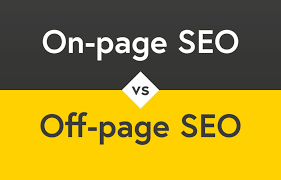
On-Page SEO mainly focuses on website optimization, while Off-Page SEO focuses on website reputation and authority. On-Page SEO activities happen inside the website, such as optimizing content, keywords, and speed. In contrast, Off-Page SEO activities happen outside the website, such as building backlinks and social sharing. The primary goal of On-Page SEO is to improve website structure and content quality, whereas Off-Page SEO aims to build trust and credibility.
Both On-Page SEO and Off-Page SEO are equally important for achieving better search engine rankings. On-Page SEO helps create a strong foundation with optimized content and a good user experience, while Off-Page SEO increases the website’s authority and online presence. Beginners should focus on balancing both strategies to achieve long-term SEO success and drive more organic traffic to their websites.