

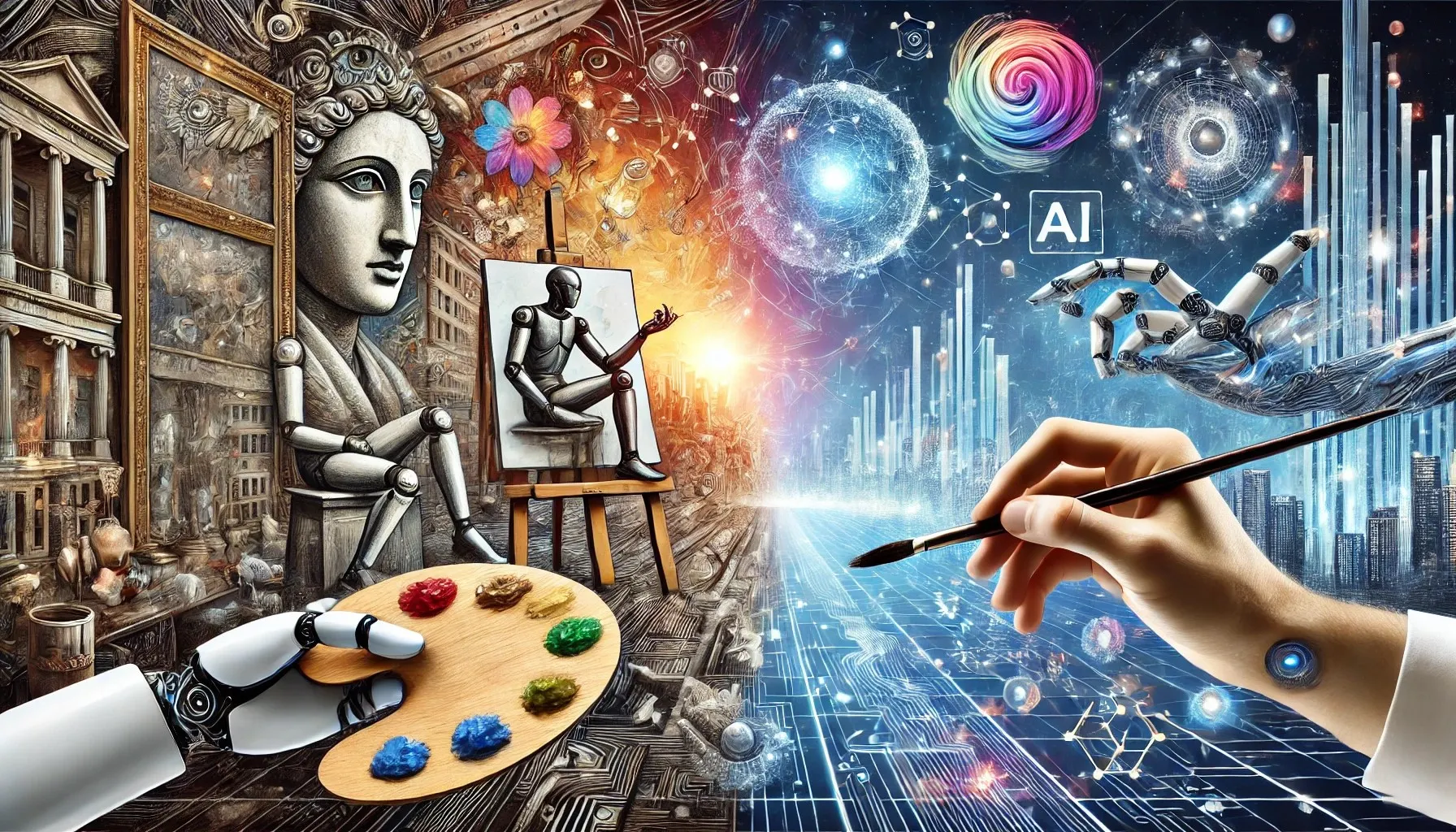
As artificial intelligence continues to reshape industries, the most important question is no longer what AI can do, but how human intention influences what AI creates. Across advertising, design, education, and technology, professionals are exploring both the opportunities and challenges of this evolving partnership.
In creative fields such as branding and digital designing, integrating AI into workflows is quickly becoming standard practice. Yet despite its widespread adoption, generative AI still faces hesitation. Many audiences report feeling a weaker emotional connection to AI-generated content, often describing it as overly polished or “too perfect,” which can unintentionally create a sense of distance or discomfort.
The Role of Emotion and Trust in Creativity
Two human qualities consistently stand out in creative work: emotion and trust. These elements shape how people perceive authenticity, storytelling, and brand identity. While AI can generate visually impressive outputs, it often lacks the lived experience, intuition, and emotional depth that human creators naturally bring.
However, positioning AI as a replacement rather than a tool overlooks a key reality: AI systems are guided, trained, and refined by human decisions. Like any technological advancement, its value depends entirely on how it is applied. Creativity today is not simply about producing aesthetically pleasing content — it is about redefining what meaningful creation truly represents.
From Competition to Collaboration
For years, discussions framed AI as competing against human creativity. That narrative is rapidly shifting. A more practical and productive model is emerging — one where AI supports creative processes while humans lead strategy, purpose, and interpretation.
With AI-generated content marketing now firmly embedded in the mainstream, businesses, agencies, and creators face a critical challenge:
- How can AI amplify human creativity instead of overshadowing it?
- How can creative teams maintain originality, emotion, and brand authenticity?
- How can efficiency be achieved without sacrificing depth and storytelling?
Finding Balance in the Creative Future
These questions are complex and evolving. Industry experts across design, innovation, and technology continue to emphasize the importance of a balanced, human-centered approach. AI can accelerate ideation, automate repetitive tasks, and unlock new forms of experimentation — but human insight remains essential for direction, meaning, and ethical judgment.
At Webitya, we believe the future of creativity lies in human-AI collaboration, not substitution. When technology and human imagination work together, brands can achieve smarter workflows, richer storytelling, and more engaging digital experiences.


