
Search behavior is changing rapidly. While traditional search engines like Google still play a major role in driving website traffic, AI-powered tools such as ChatGPT, Google AI Overviews, Gemini, and Perplexity are transforming how users find information online. This shift has introduced a new concept called Generative Engine Optimization (GEO).
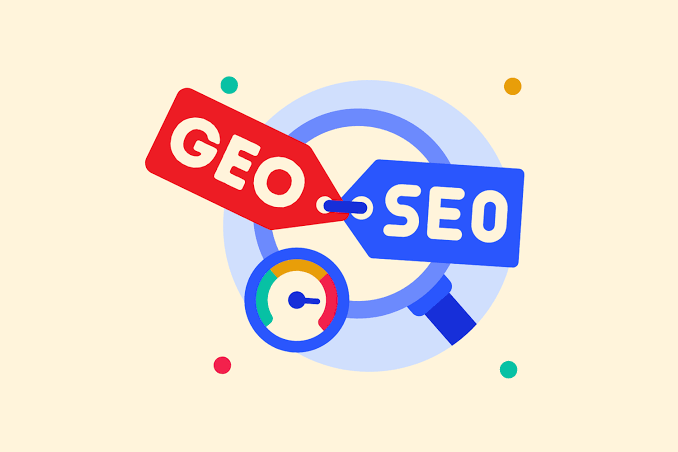
Businesses that want to stay visible online should understand the difference between GEO and Traditional SEO and how both can work together to increase digital visibility.
What Is Traditional SEO?
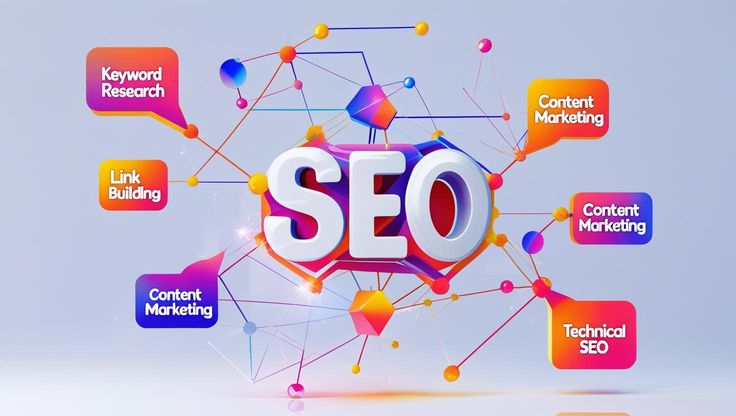
Traditional Search Engine Optimization (SEO) focuses on improving a website's visibility in search engine results pages (SERPs). The goal is to rank higher for specific keywords and attract organic traffic.
Traditional SEO strategies typically include:
For example, if someone searches for "best digital marketing company in Ranchi," SEO helps a website rank higher in Google's search results.
What Is GEO (Generative Engine Optimization)?
Generative Engine Optimization (GEO) is the practice of optimizing content so AI-powered search engines and generative AI platforms can easily understand, reference, and recommend it in their responses.
Instead of focusing only on rankings, GEO focuses on becoming a trusted source that AI systems can cite or use when generating answers.
GEO strategies include:
- Creating authoritative and fact-based content
- Structuring information clearly
- Using question-and-answer formats
- Building topical expertise
- Adding schema markup
- Publishing unique insights and data
- Establishing strong brand authority across the web
For example, when someone asks ChatGPT or another AI assistant, "What are the best ways to improve local SEO?" GEO increases the chances that your content or brand influences the answer.
Key Differences Between GEO and SEO
| Traditional SEO | GEO |
| Focuses on ranking in search results | Focuses on being referenced by AI systems |
| Targets search engine algorithms | Targets AI understanding and content retrieval |
| Measures clicks and website traffic | Measures visibility in AI-generated responses |
| Relies heavily on keywords | Relies heavily on authority and context |
| Optimizes for SERPs | Optimizes for AI-powered answers |
Why Businesses Need Both
GEO is not replacing SEO. Instead, it is becoming an important extension of it.
Traditional SEO helps users find your website through search engines, while GEO helps your brand remain visible when users rely on AI assistants for answers. Businesses that combine both strategies can maximize their online presence across search engines and AI platforms.
The Future of Search
As AI-powered search continues to grow, businesses must adapt their content strategies. Creating high-quality, trustworthy, and well-structured content will be essential for success in both traditional search results and AI-generated responses.
Organizations that invest in both SEO and GEO today will be better positioned to capture traffic, build authority, and stay competitive in the future digital landscape.