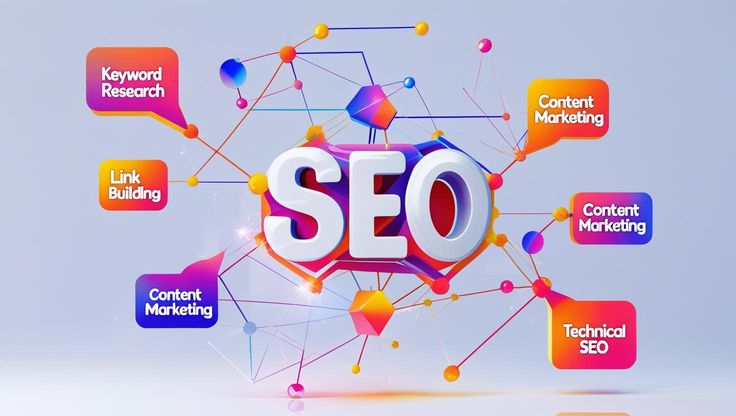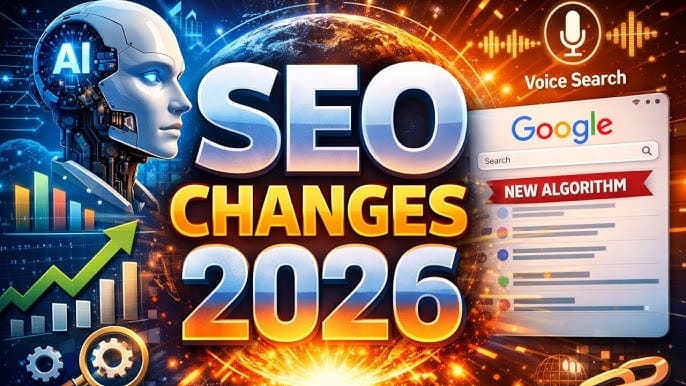

In 2026, artificial intelligence has moved from being a supporting tool to becoming the backbone of modern SEO strategies. The way businesses approach search engine optimization has fundamentally changed, shifting from manual keyword targeting to intelligent, data-driven decision-making. AI is not just enhancing SEO—it is redefining it.
Search engines like Google are now powered by sophisticated AI models that prioritize user intent, behavior, and contextual relevance. This means traditional SEO tactics such as keyword stuffing and backlink quantity are no longer effective. Instead, content must align with what users truly want, making relevance and quality the new ranking drivers.
One of the most impactful contributions of AI to SEO is predictive analytics. AI tools can analyze vast datasets to forecast search trends before they peak. Platforms like Semrush and Ahrefs now use machine learning to provide insights into keyword opportunities, competitor strategies, and content gaps. This allows marketers to stay ahead rather than react after trends emerge.
Content creation has also undergone a transformation. AI-powered tools can generate high-quality drafts, suggest topic clusters, and optimize on-page elements such as headings, meta descriptions, and internal linking. However, while AI accelerates production, human creativity remains essential to ensure originality, emotional connection, and brand voice.
Another major shift is the rise of conversational and voice search. With the widespread adoption of virtual assistants and smart devices, users are searching in more natural, question-based formats. AI helps marketers adapt by identifying long-tail keywords and structuring content to answer specific queries clearly and concisely.
Personalization is another area where AI is making a significant impact. By analyzing user data—such as browsing behavior, location, and preferences—AI enables marketers to deliver highly tailored content. This improves user engagement, reduces bounce rates, and ultimately boosts conversion rates.
Technical SEO has also benefited from AI automation. Tasks such as site audits, error detection, and performance optimization are now handled more efficiently. AI tools can quickly identify issues like broken links, slow-loading pages, and indexing errors, allowing businesses to maintain a healthy website with minimal manual effort.
Despite its advantages, AI-powered SEO comes with challenges. Over-automation can lead to generic content, and ethical concerns around data usage continue to grow. Businesses must ensure transparency, maintain content authenticity, and avoid over-dependence on automated systems.
Looking ahead, AI will continue to shape the future of digital marketing. SEO in 2026 is no longer just about search engines—it is about understanding users at a deeper level and delivering meaningful digital experiences. Companies that successfully combine AI capabilities with human insight will lead the next wave of digital innovation.